Add Row
Add Element
cropper
update
Nxgen Quantum Wealth Hub
update
Add Element
  • Home
  • Categories
    • Nxgen Wealth
    • Future Tech
    • Wellness & Resilience
    • Purposeful Leadership
    • Emerging Trends
    • Quantum Impact
    • Collaborative Prosperity
    • Transformative Insights
    • Expert Interviews
May 21.2025
2 Minutes Read

Why Being 'Good' with Food Can Harm Your Well-Being

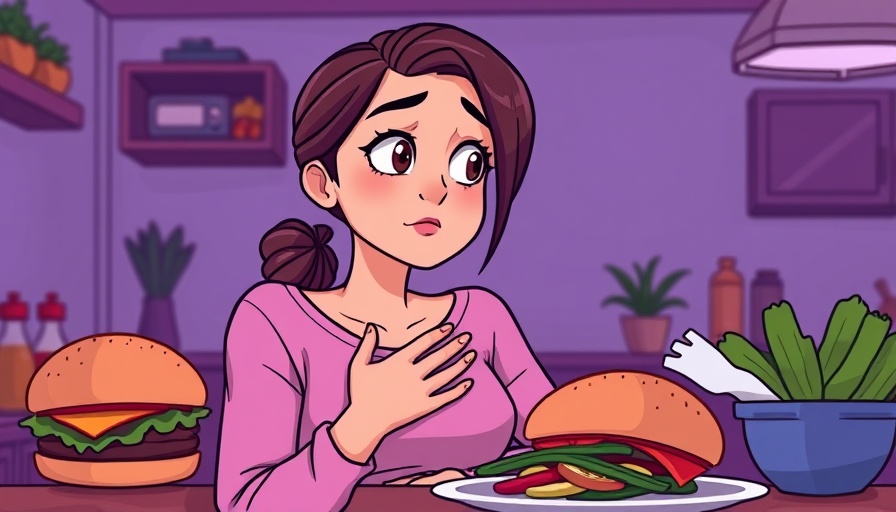
Thoughtful woman with food in cartoon style, relationship with food.

Understanding the Burden of Food Choices

For many, the complex dance with food and self-worth begins early in life. As Roni Davis poignantly recalls, the experience of feeling shame and pressure centered around being ‘good’ with food is not just personal; it mirrors a broader societal issue. In a culture that equates thinness and strict dietary control with personal virtue, individuals find themselves tangled in an unhealthy relationship with nourishment. This quest to fit in can create not just physical, but profound emotional health challenges.

The Impact of Societal Expectations

The pressure to adhere to societal norms about diet and body image often defines individuals' self-worth. As the narrative unfolds, we see how external expectations suffocate individuality and promote feelings of inadequacy. The harmful cycle emerges when 'healthy eating' intersects with moral judgments, leading to restrictive behaviors and self-sabotage. This spiral doesn't merely affect the individual but can resonate through families and communities, illustrating how cultural dialogues about body image and food dictate personal value.

Breaking the Cycle: A Journey Towards Mindful Eating

To mend the fractured relationship with food, a shift in mindset towards mindful eating is crucial. This approach encourages individuals to listen to their bodies’ needs rather than adhering to strict societal expectations. It fosters an environment where food is not a measure of worth but a source of joy and nourishment. Embracing this paradigm allows for a healthier, more compassionate way to engage with food—where balance replaces rigidity.

Resources for Healing and Growth

Choosing to step away from harmful food relationships requires support. There are resources available that integrate mindfulness and wellness practices into daily living. Seeking guidance from professionals in nutrition and mental health can reinforce this journey, providing protocols and frameworks that empower individuals to break free from the chains of societal expectations.

Conclusion: Embracing Wholeness

Ultimately, navigating the complicated web of food choices is an incredible journey of self-discovery and healing. The understanding that safety does not stem from restriction, but from acceptance and love, can transform how individuals perceive food and themselves. By prioritizing a compassionate approach to eating, you invite a deeper connection to yourself and your overall well-being.

As you reflect on your relationship with food and self-worth, consider exploring mindful eating practices that nurture rather than restrict. What steps can you take today to foster a healthier, more loving connection to your nourishment?


Wellness & Resilience

35 Views

0 Comments

Write A Comment

*
*
Related Posts All Posts
10.31.2025

Navigating Perimenopause: Finding Empowerment and Community in the Beautiful Mess

Update Rediscovering Yourself in Midlife's Turbulence As women navigate the stormy seas of perimenopause, they often encounter a whirlwind of emotions and physical changes that can be disorienting and overwhelming. This transformative phase is not merely about hormonal shifts but can also trigger profound existential questions. The journey through perimenopause, characterized by mood swings, brain fog, and physical discomfort, can often feel like a chaotic ride through one's own life. Yet, it's within this tumult that many discover their "midlife roar"—an awakening of self that has profound implications for personal growth. Connecting Through Shared Experiences In the midst of this often isolating journey, finding commonality with others can provide significant relief. Conversations about renting an apartment solo or the desire for space within relationships become comforting rather than taboo. Women can bond over their existential crises, and validate one another’s emotions as they traverse this complicated landscape. The exchange of stories not only lightens the burden but nurtures connections that enrich the shared experience of navigating midlife together. Tools and Techniques for Empowerment Understanding one's body and mind during perimenopause can feel daunting. Women are encouraged to employ practical strategies to reclaim their sense of agency. This could involve educating themselves about hormonal health and adopting a holistic self-care regimen, as highlighted in Dr. Haleema Sheikh's work. Engaging in regular exercise, exploring nourishing foods, and utilizing messaging tools such as expressive writing can help alleviate emotional burdens and enhance overall well-being. Redefining the Narrative: Menopause as Transformation The societal narrative surrounding menopause often casts it in a shadow of decline. However, reframing this significant life transition as an avenue for rebirth and self-discovery lays the groundwork for empowerment. As noted by Dr. Alona Pulde, menopause can be an opportunity to shed identities and societal expectations that no longer serve women, allowing them to explore long-forgotten passions and personal dreams. By embracing these changes rather than shying away from them, women can embark on a transformative journey that highlights their strength and resilience. Creating a Supportive Community As societal pressures intensify, building a network of supportive relationships has never been more critical. Women are motivated to share their triumphs and struggles, creating dialogues that break the stigma surrounding menopause. By supporting each other through shared experiences, they cultivate a community that nourishes growth and healing—a space where vulnerability is met with compassion. In this medley of life’s complexities, embracing perimenopause as an intricate part of the broader journey can ultimately lead to a more profound understanding of self and purpose. Instead of viewing this phase as an endpoint, women can see it as one more chapter in their ever-evolving story. The key is not merely to endure the ride, but to embrace the voyage. Join our community to explore more about these transformative insights and share your journey. Let’s learn together how to cultivate resilience and self-empowerment as we navigate midlife’s beautiful mess.

10.31.2025

Exploring the Lonely Ache of Self-Worth and Its Hidden Truths

Update Understanding the Loneliness of Self-Worth In a world fraught with expectations and social comparisons, the journey to self-worth is often a solitary one. The ache that so many experience, especially those seeking higher consciousness, is rarely discussed, leaving many feeling isolated. At the crux of this journey lies a paradox: as we work towards understanding our worth, we may also feel an emotional void where connection once thrived. The Deep Dive into the Emotional Journey When individuals begin to set boundaries and prioritize their needs, an emotional shift occurs. As noted by Emily Brown, there exists an 'emotional hangover' following the decision to embrace self-worth. This feeling of loneliness can echo through the stillness that comes with self-realization. It is in this quiet space between leaving behind old patterns and stepping into new ones that the ache amplifies. As social constructs push us to seek validation externally, many find that absolute fulfillment can only come from within. Is Loneliness a Byproduct of Growth? Indeed, the journey toward understanding oneself can lead to feelings of loneliness that persist in social settings. A key insight from the reference articles emphasizes how low self-worth can spiral into isolation, exacerbating emotional distress. One's transformation from people-pleasing to self-acceptance can feel jarring, resulting in a profound sense of disconnect from previously nourishing relationships. Building Community and Connection Connecting with others post-transformation can feel daunting, yet it is not impossible. Similar to the personal journey of Becky Merriman, who found fulfillment in helping others recognize their self-worth, people can step into new communities that align with their higher self. Initiating support networks, both online and offline, can bridge the loneliness gap. The moment someone says, 'I believe in you' can catalyze change, guiding people to rediscover joy in the connections they foster. Navigating the Quiet Pain of Growth It is essential to recognize that integrating self-worth often requires navigating uncomfortable emotions. Accepting oneself is the first step towards healing from loneliness. Engaging in self-reflection and challenging cultural narratives can promote a healthier self-image. As we learn to embrace solitude and transform it into a sanctuary for growth, the ache can transform into an opportunity for profound connection to oneself. In this journey of self-discovery, be gentle with yourself. Celebrate each small step you take toward self-acceptance. Remember, healing takes time, and the loneliness you might feel is a natural part of the process.

10.30.2025

Discover How Chronic Pain Intertwines with Emotions: A Path to Healing

Update Understanding the Silent Struggles of Chronic Pain For many individuals, life with chronic pain is a silent battle—one that can seem invisible to the outside world. Chronic pain is not merely a physical sensation; it carries profound emotional ramifications that can deeply influence quality of life. Living with constant discomfort can feel like a full-time job, as individuals navigate the complexities of self-explanation and search for relief. Chronic pain, as recognized by numerous studies, often intertwines with emotional distress, resulting in heightened feelings of isolation, frustration, and despair. The Overlooked Connection Between Emotions and Pain The essence of healing chronic pain often lies in understanding the intricate relationship between emotions and physiological responses. Experts suggest that suppressed emotions—whether they arise from trauma, grief, or prolonged stress—can manifest as physical pain. This idea is echoed in the works of therapists like Nicole Sachs, who emphasize exploring the mind-body connection to unravel chronic pain. By acknowledging and addressing emotional blockages, individuals can pave their path toward healing. Healing Beyond Conventional Methods Adapting your approach to dealing with chronic pain can significantly affect your emotional state. Traditional medical responses often focus strictly on physical symptoms, neglecting the necessary emotional context. However, embracing therapies such as mindfulness, cognitive behavioral therapy (CBT), and journaling can empower individuals to regain control over their pain experiences. Mindfulness techniques, in particular, have shown promise in managing chronic pain by promoting acceptance and present-moment awareness. Hope and Community: Finding Your Space Finding a supportive community can be a crucial part of managing chronic pain. There’s strength in shared experiences, and connecting with others who understand your struggles can offer both emotional relief and practical insights. Workshops like Nicole Sachs' 'Introduction to Freedom from Chronic Pain' provide not just therapeutic tools but also a sense of hope. Through shared journeys, individuals can redefine their narratives around pain and build resilience. Taking Steps Towards Healing It’s vital to remind ourselves that healing is a journey—one that unfolds over time rather than in a singular moment. By integrating emotional awareness into pain management, individuals can explore new avenues of recovery, ultimately discovering that life can exist beyond chronic pain. For those ready to embark on this exploration, resources like workshops, therapist connections, and community support can be invaluable. Remember, you don't have to navigate this journey alone. For practical strategies and emotional support, seek out communities, workshops, and professionals who can guide you towards a more empowered and pain-free existence.

Terms of Service

Privacy Policy

Core Modal Title

Sorry, no results found

You Might Find These Articles Interesting

T
Please Check Your Email
We Will Be Following Up Shortly
*
*
*